The Future of Men’s Fashion: Sustainability and Innovation
It’s 2026, and the landscape of men’s fashion is rapidly transforming. Driven by sustainability demands and technological advancement, the industry is embracing innovation like never before. As we stand on the cusp of a new era in style, let’s delve into how these two forces are shaping the future of men’s wardrobes.
The Rise of Sustainable Materials
Environmental consciousness has profoundly impacted the fashion industry. By 2026, the push for sustainability has moved beyond mere trends; it’s now a key element of brand identity. Brands like Patagonia and Allbirds have long championed eco-friendly practices, but now, heavyweights like H&M and Nike are following suit with ambitious sustainability goals.
One such material gaining traction is recycled polyester. This material, made from plastic bottles, is proving to be versatile for everything from T-shirts to suits. In 2025 alone, over 5 billion plastic bottles were repurposed for fashion, according to the Global Fashion Coalition. Meanwhile, companies like Bolt Threads are exploring microbial biofabrication, producing bio-based materials that mimic leather and silk without the environmental impact.
Smart Textiles: The Tech Revolution
Smart textiles are no longer just for tech enthusiasts. These fabrics, embedded with sensors and conductive threads, are becoming mainstream in men’s fashion. Imagine a shirt that can monitor your heart rate or a jacket that adjusts its temperature based on your body heat. This isn’t science fiction; it’s the present reality.
Pioneering brands like Ralph Lauren have integrated biometric sensors into their garments, enhancing the wearer’s lifestyle. The PoloTech shirt, for instance, sends real-time data to an app, offering insights into the user’s fitness. This marriage of fashion and tech is making men’s clothing not just stylish, but functional too.
Local Production and 3D Printing
The resurgence of local production is another remarkable shift. As supply chain disruptions highlighted vulnerabilities, brands pivoted towards local manufacturing. This move reduces carbon footprints and supports local economies, creating a win-win scenario.
Additionally, 3D printing is revolutionizing how clothes are made. Designers can now create intricate patterns and custom fits with minimal waste. In New York City, designer Danit Peleg has been at the forefront of this movement, crafting entire collections using 3D printing technology. Her work exemplifies how innovation can lead to sustainable practices without compromising on design.
Minimalism and Capsule Wardrobes
Minimalism in fashion is more than just a trend; it’s a lifestyle choice that’s gaining momentum. Men are increasingly opting for capsule wardrobes, which emphasize quality over quantity. This approach not only curates a more personal style but also encourages mindful consumption.
A capsule wardrobe typically includes 30-50 items that can be mixed and matched, reducing the need for excessive purchases. Brands like Everlane and Uniqlo have perfected the art of timeless basics, making it easier for men to invest in pieces that are both stylish and sustainable.
The Role of Fashion Tech Startups
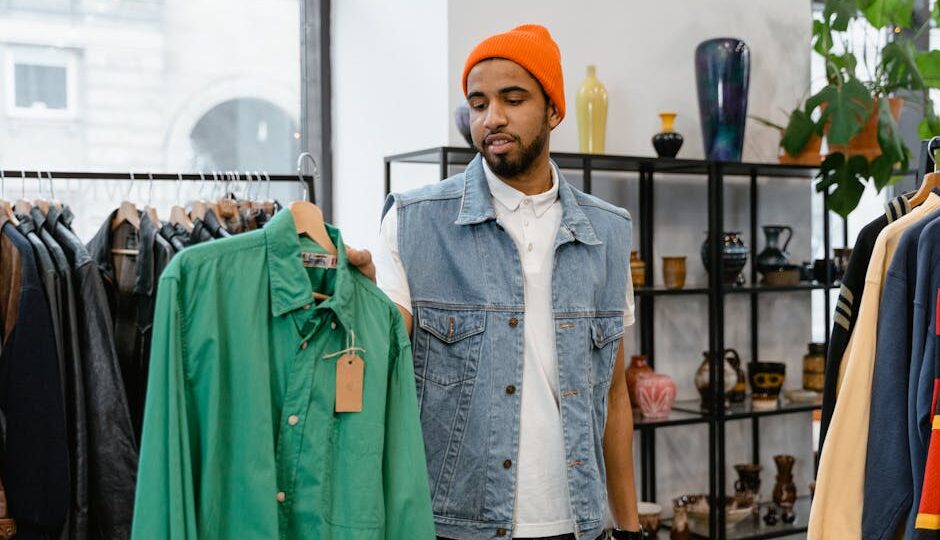
Fashion tech startups are playing a pivotal role in driving the industry forward. Companies like Rent the Runway and Grailed have disrupted traditional retail models by focusing on rentals and second-hand markets. In 2026, the resale market is projected to grow to $77 billion, reflecting a shift in consumer behavior towards circular fashion.
These startups are not only making fashion more accessible but also promoting sustainability. By extending the lifecycle of garments, they help reduce the environmental impact of fashion waste.
Practical Takeaway: Embrace Change with Style
The future of men’s fashion lies at the intersection of sustainability and innovation. By making informed choices, men can contribute to a more sustainable future while enjoying the benefits of technological advancements. Whether it’s investing in smart textiles, supporting local production, or curating a capsule wardrobe, the opportunities to engage in this transformative journey are endless. It’s time to embrace change with style.